5G-Advanced in 2026: What the Next Network Upgrade Actually Changes
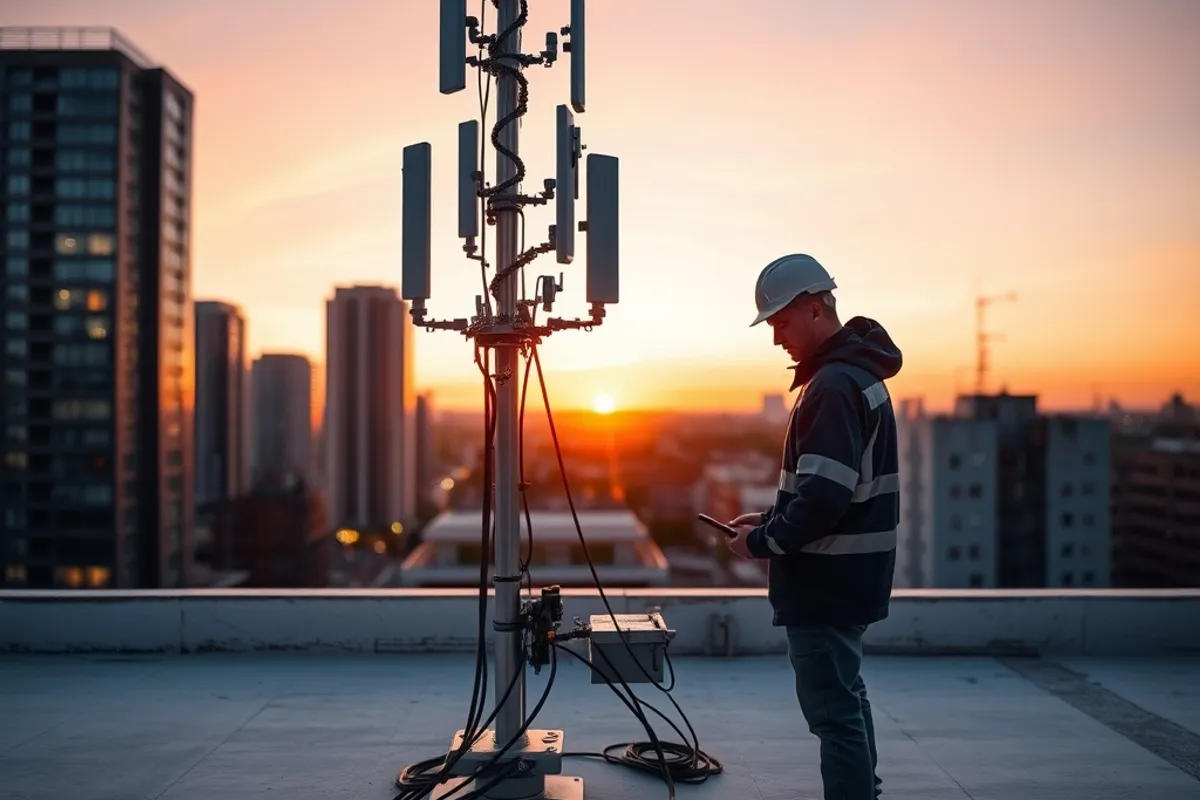
Every mobile generation arrives with a promise and a delay. 5G was sold as a revolution in 2019, delivered usable speed in 2021 and only now, in 2026, is the second phase - 5G-Advanced - arriving in phones and networks people actually own. The honest summary is that this is not a new generation. It is a set of upgrades to the network you already use, and the benefits are uneven depending on where you live and which handset you carry.
Key facts
- 5G-Advanced is a software and radio upgrade to existing 5G networks, not a new generation.
- Upload speed and latency improve most for people near upgraded mid-band cells.
- Only flagship and upper mid-range phones sold from late 2025 onward ship with the newer modem features.
- Battery life improves in weak signal areas because the modem holds a connection with less hunting.
- Fixed wireless home broadband is the first place most people will notice a real difference.
What actually changed in the network
The headline feature is better use of mid-band spectrum. Operators have spent two years densifying small cells and adding capacity to the 3.5 GHz layers that carry most mobile data in cities. 5G-Advanced adds smarter scheduling on top: the network can allocate radio resources in smaller, more precise slices so a busy street does not collapse when a few thousand people open video at once.
In practice that means fewer stalls rather than higher peak numbers. A speed test on an empty street at 2 am will look almost identical to 2024. A video call at 6 pm in a station concourse is where the improvement shows, because the cell is managing contention better instead of simply running out of airtime.
Upload speed is the quiet win
Most mobile marketing talks about download figures, but the change users feel first is upload. Newer modems combine uplink carriers and use higher-order modulation, which roughly doubles sustained upload in good coverage. That matters for cloud backups, live streaming, video calls and the increasingly common habit of sending large photo and video files from the phone rather than a laptop.
The catch is coverage. Upload gains appear close to upgraded cells and fade quickly at the edge of the cell or indoors behind thick walls. If you work from a basement office or a rural area, nothing in this upgrade changes your day. Check a coverage map for the specific band before you upgrade a phone for network reasons.
Latency and the end of the "5G feels the same" complaint
Latency is the delay before data starts moving, and it is the number that decides whether a game feels responsive or a video call feels natural. Early 5G often fell back to LTE for the control channel, which kept latency closer to 4G than the advertisements suggested. Standalone deployment and the 5G-Advanced scheduling changes cut that overhead, so round-trip times in the tens of milliseconds become normal rather than exceptional.
A network upgrade is not measured by the fastest test you can find. It is measured by the worst minute of your week.
Which phones can use it
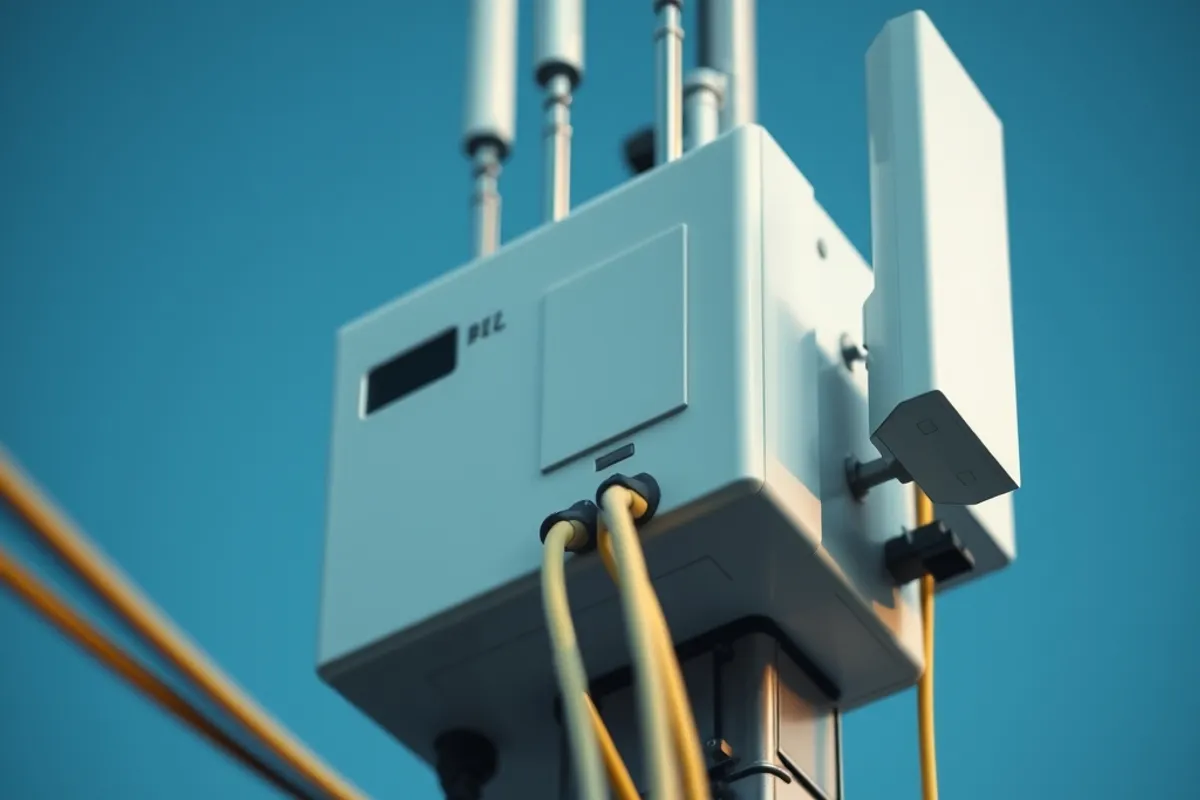
Modem support is the hard gate. Handsets shipped from late 2025 with current flagship chipsets include the newer modem generation; older devices still connect to the same cells but cannot use the added features. Before buying, look past the "5G" badge in the spec sheet and check the supported band list and modem generation. If the listing does not name them, that is usually a sign the phone is recycling an older radio design.
Mid-range phones are catching up, and that is where the upgrade becomes sensible for most buyers. A phone launched this year at a sensible price will hold its connection better in weak coverage and use less power doing it, which is a more meaningful improvement than a peak speed number you will rarely see.
Battery life and heat
Better modem efficiency sounds dull until you compare a train journey on two phones. Aggressive cell searching in patchy coverage is one of the largest hidden battery costs on a modern handset. Newer modems negotiate a stable connection with fewer retries, so the radio spends less time at high power. Expect modest gains - often a few percent over a working day - but a noticeable drop in how warm the phone gets during long calls.

Fixed wireless and the home broadband question
The most useful application is not on your phone at all. Fixed wireless access uses the same network to deliver home internet, and the added capacity finally makes it competitive with entry-level fibre in some suburbs. If you can get a stable 100 Mbps with reasonable latency, the installation is usually faster and cheaper than trenching a new line.
Test it before you commit: run the connection during peak evening hours for a week, check whether the router can be placed near a window, and confirm the provider publishes a realistic fair-use policy. Wireless capacity is shared, which means a good first month does not guarantee a good third year if the neighbourhood fills up.
What to do with this information
Do not replace a working phone for 5G-Advanced alone. Do consider it if you are already upgrading, if you tether for work, or if your current handset struggles in crowded places. For a wider look at how devices and networks fit together, read our foldable phone buying guide, or browse more mobile technology coverage. Official spectrum and deployment notes are published by the GSMA.
Frequently asked questions
Is 5G-Advanced a new generation of mobile network?
No. It is a set of software and radio upgrades applied to existing 5G networks, so your current phone still connects to the same cells even without the newer modem features.
Will 5G-Advanced make my downloads much faster?
Peak download speed barely changes. The gains show up as fewer stalls in crowded places, faster uploads near upgraded cells and lower latency on standalone deployments.
Do I need a new phone to benefit?
Only for the modem features. Handsets sold from late 2025 with current flagship or upper mid-range chipsets support them; older phones still work but cannot use the added scheduling and uplink improvements.
Further reading from independent sources: GSMA mobile intelligence and web.dev performance guidance.