Smartwatch Health Tracking in 2026: What It Can Really Do
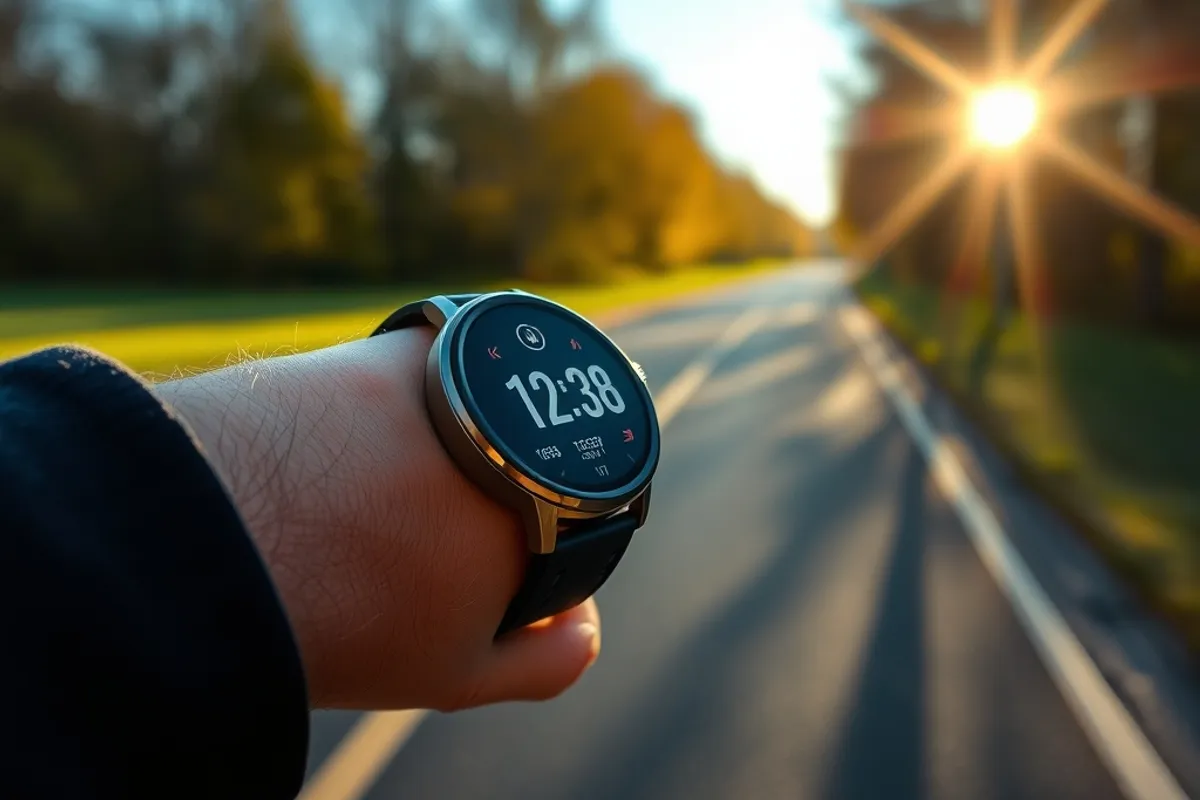
Wrist wearables have quietly become decent health instruments, but the gap between what a watch measures and what its app claims is still large. In 2026 the hardware is often good: optical sensors, an electrical heart sensor and an accelerometer can produce useful data. The problem is interpretation, and the marketing that turns a rough estimate into a medical-sounding score.
Key facts
- Heart rate during steady exercise is reliable; sudden spikes and intervals are less so.
- Sleep staging is an estimate and varies between brands for the same night.
- ECG features are useful for detecting irregular rhythm, not for diagnosing causes.
- Tight fit and skin contact affect accuracy more than sensor specifications.
- No consumer watch replaces a clinical measurement or a doctor.
Heart rate: reliable where it matters
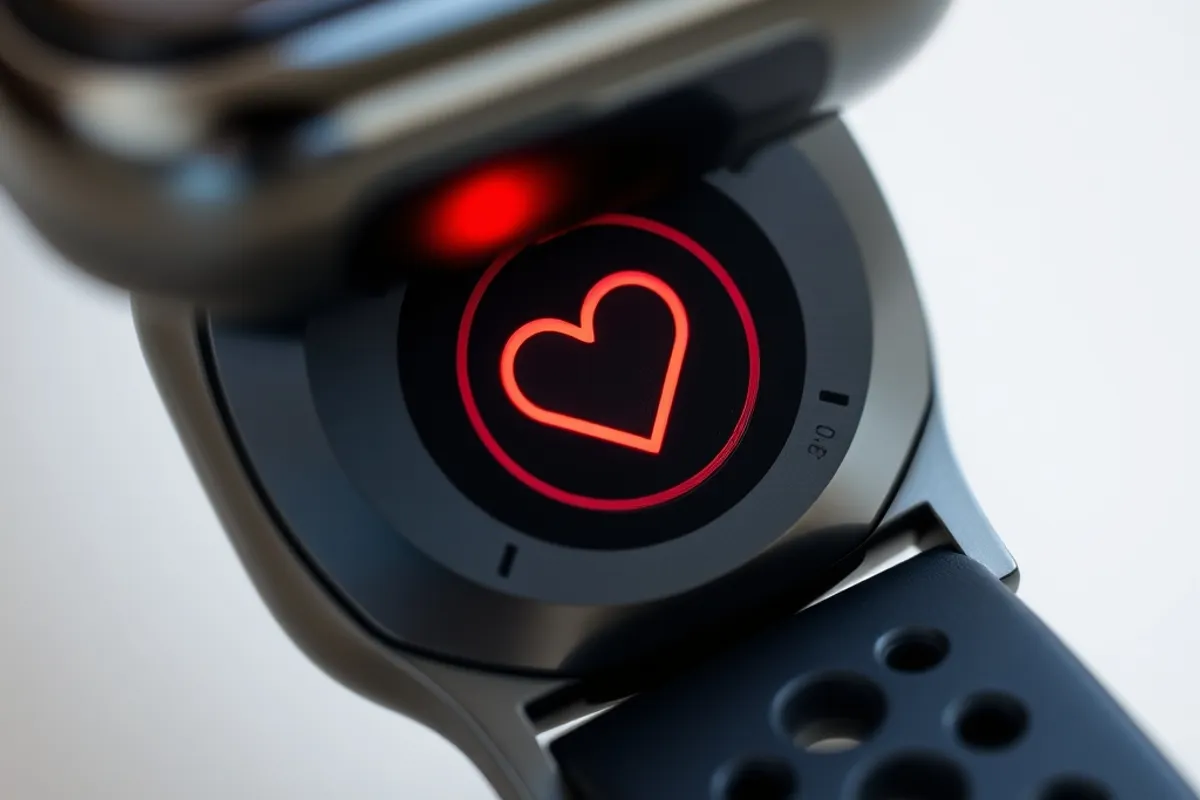
Optical sensors shine during steady aerobic work. When you run or cycle at a consistent effort, a watch tracks your heart rate closely enough to guide training zones. Accuracy drops during interval work, weightlifting and activities where the wrist flexes or the strap loosens, because the sensor needs steady blood flow under the skin.
A chest strap remains the reference for serious training. If your plan depends on precise intervals, pair the watch with one; most watches accept an external strap, and it costs less than upgrading the watch.
Sleep tracking is a rough guide
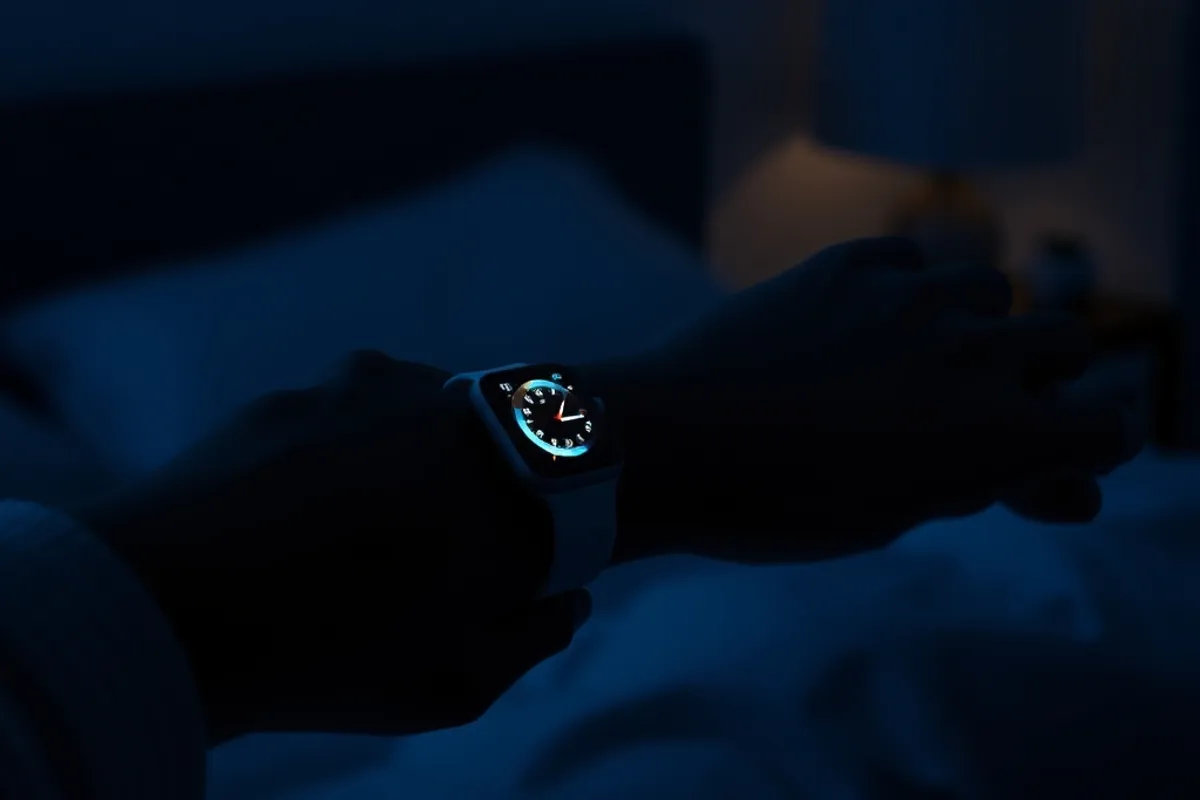
Sleep staging - light, deep, REM - is inferred from movement and heart rate variability, not from brain activity. Two reputable watches worn on the same night will often disagree about how much deep sleep you got. That does not make the feature useless: trends matter more than single nights, and a consistent wake time plus a rising resting heart rate is worth noticing.
The practical approach is to pick one device, wear it consistently and watch the direction of change over weeks. Chasing a nightly score across three apps produces anxiety rather than insight.
SpO2, stress and the rest
Blood oxygen readings on a wrist are indicative at best, especially during movement, and should never be used to self-diagnose a breathing problem. Stress scores are a proprietary blend of heart rate variability and activity; they are useful as a relative signal, not as a measurement of anything physiological.
A wearable gives you a trend. A clinician gives you a diagnosis. Do not confuse the two.
ECG and irregular rhythm alerts
The electrical heart sensor in better watches can record a single-lead trace and detect signs of atrial fibrillation. That is a genuine public health benefit for people at risk, and the alerts have prompted many people to seek care they would otherwise have delayed. It is not a replacement for a twelve-lead ECG, and a normal reading does not rule out a problem.
If a watch repeatedly flags an irregular rhythm, take the record to a doctor rather than the internet. If you feel unwell, ignore the watch and seek care immediately - a consumer device is not an emergency service.
Fit, battery and daily habits
Accuracy depends on a snug fit, clean sensor and consistent position. A loose strap on a cold morning produces nonsense readings. Battery life shapes behaviour too: a watch that needs charging every night is often taken off before sleep, which is when the most interesting data is collected. A device lasting five to seven days encourages continuous wear.
What to look for when buying
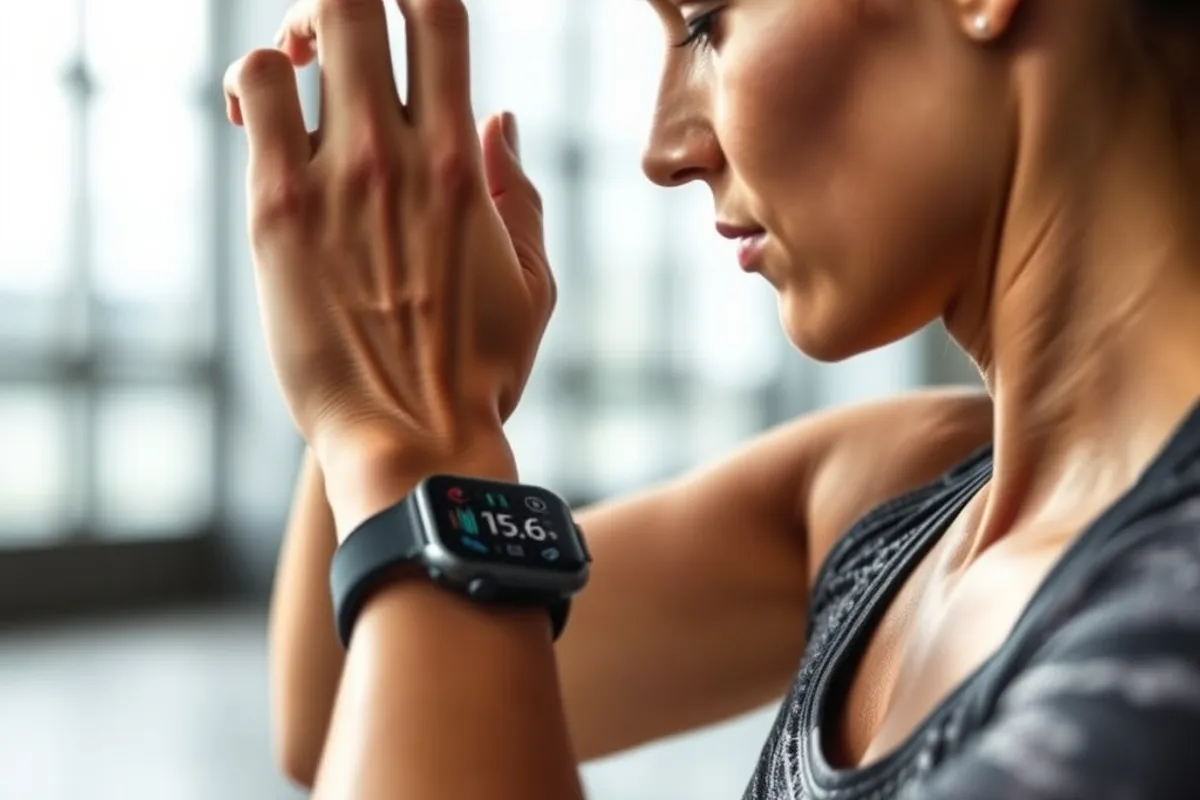
Prioritise comfort, a readable screen in sunlight and battery life that matches your routine. Confirm which measurements are actually available in your region, because regulatory approval varies and some features are locked by country. Check whether the health data can be exported, so you are not trapped in one ecosystem.
Then ignore most of the extra scores for a month and use the basics: steps, resting heart rate, sleep duration and workout tracking. That is where the value lives, and it is enough to justify the purchase. For a laptop to pair with your training log, read our remote work laptop guide, and browse more gadget reviews. Health measurement guidance is published by the World Health Organization.
Frequently asked questions
Is smartwatch heart rate accurate during exercise?
It is reliable during steady aerobic work. Accuracy drops during intervals, weightlifting or anytime the strap loosens and the wrist flexes under the sensor.
Can a watch diagnose sleep problems?
No. Sleep stages are inferred from movement and heart rate variability, not brain activity, so trends matter more than any single night and clinical concerns need a doctor.
What does an ECG feature on a watch actually detect?
It can record a single-lead trace and flag signs of atrial fibrillation, which is a genuine benefit for people at risk. It cannot replace a twelve-lead ECG or rule out a problem.
Further reading from independent sources: GSMA mobile intelligence and web.dev performance guidance.