Retail Media Networks in 2026: Should Brands Still Buy In?
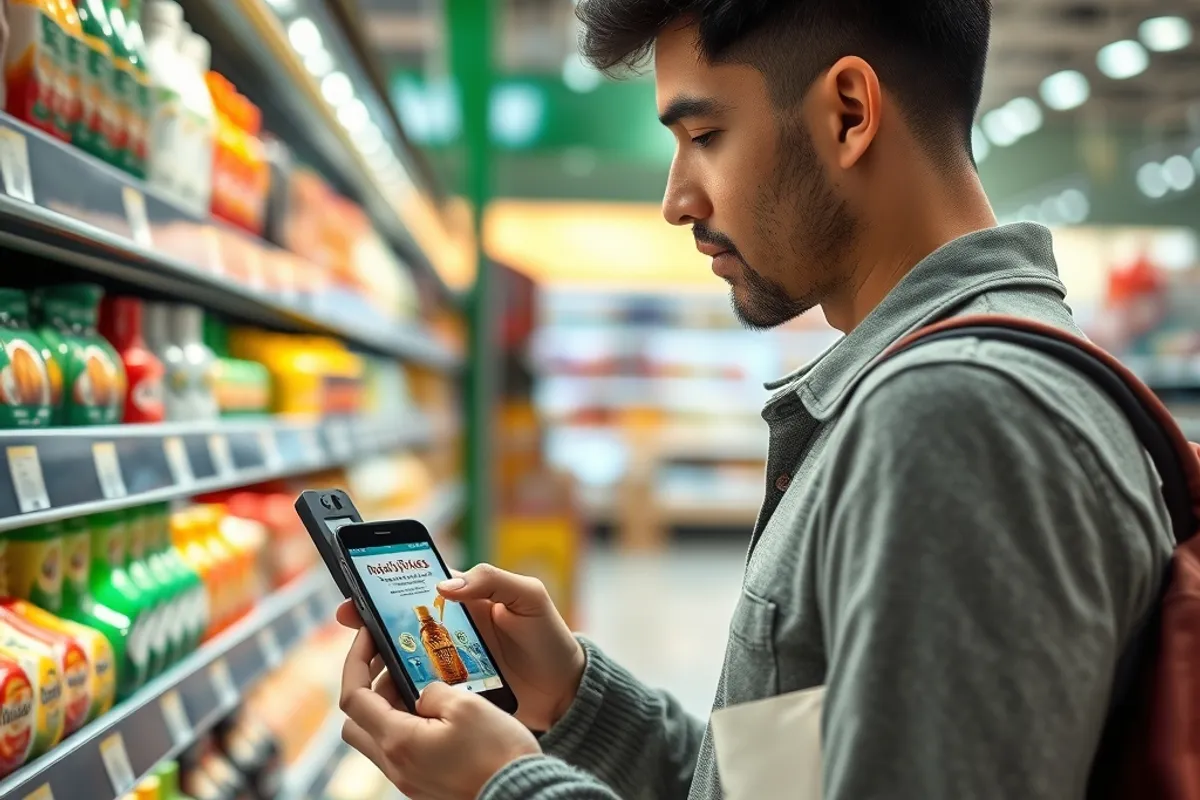
Retail media is advertising bought inside a retailer's own properties: search results, category pages, app placements and increasingly in-store screens. It grew quickly because it solves a problem advertisers have complained about for a decade - it connects an ad directly to a purchase, using the retailer's first-party data rather than a borrowed profile.
Key facts
- Retail media ads run on retailer-owned search, category and app surfaces.
- Reporting closes the loop between ad exposure and actual sales in that retailer.
- Minimum spends and unclear auction dynamics make small budgets difficult.
- Sponsored search results often deliver the best return for brands already selling there.
- The channel works best for products people search for by name or category.
Why the data is genuinely better
When someone searches for "running shoes size 42" inside a retailer's site and then buys a pair, the retailer can connect the ad impression to the sale without any third-party cookie. That closed loop is the appeal, and it survives privacy changes because the data never leaves the retailer's environment.
The caveat is that the loop only sees sales made in that retailer. If your product also sells in three other shops and a direct store, retail media reporting will overstate its contribution to total revenue. Any measurement plan has to reconcile the platform view with total brand sales.

What the formats actually do
Sponsored search listings place your product in the results for relevant queries. Category placements put you in front of people browsing, often before they know what they want. Display and app placements build awareness inside the retail environment, and in-store screens are the newest and least standardised option.
In practice, sponsored search is the workhorse. It captures demand that already exists and is easy to justify. Category and display placements are closer to brand investment, with weaker immediate attribution and a wider range of quality across networks.
Costs and the auction problem
Most networks run auction-based pricing, sometimes with a minimum spend or a managed-service requirement. Costs per click vary enormously by category, and competitive ones have become expensive as more brands moved budgets into retail media. The result is that the easy wins of five years ago are largely gone.
Retail media is not cheap advertising. It is well-measured advertising, which is not the same thing.
Where it fits a small brand
If your product is sold through a major retailer and shoppers search for your category, a modest sponsored search budget is worth testing. Start with a narrow set of high-intent keywords, measure incremental sales rather than clicks, and check whether the network requires a minimum commitment you cannot sustain.
If you sell direct only, retail media is a channel you watch rather than buy. The data advantage belongs to the retailer, and you are paying for access to someone else's customers.
Measuring beyond the platform dashboard
Platform dashboards are optimistic by construction. They count sales that might have happened anyway and rarely include returns, which matter enormously in fashion and home categories. Subtract returns, compare advertised periods with matched control periods where possible, and track whether total category share improves or only the paid portion does.

The strategic risk
Heavy reliance on retail media hands pricing power to the retailer. As more brands compete on the same search terms, costs rise and the retailer captures more of the margin. That does not make the channel wrong, but it argues for balance: keep investing in direct customer relationships, owned email and organic product content so you are not entirely dependent on rented attention.
Treat retail media as one line in a portfolio, reviewed quarterly with the same skepticism you apply to any other paid channel. For the wider context, read our privacy-first advertising guide or browse more digital advertising coverage. Industry benchmarks are published by the Interactive Advertising Bureau.
Frequently asked questions
Why is retail media data better than display advertising?
Ads and purchases happen inside the same retailer environment, so the sale can be connected to the impression without any third-party cookie leaving that system.
Which retail media format works best for a small brand?
Sponsored search results for high-intent category or product queries, provided the brand already sells through that retailer and no minimum spend is out of reach.
What is the main risk of retail media?
Dependence. As more brands bid on the same terms, costs rise and the retailer captures more margin, so keep investing in email, organic content and direct customer relationships.
Further reading from independent sources: GSMA mobile intelligence and web.dev performance guidance.