Headless Commerce in 2026: What It Is and When It Is Worth It
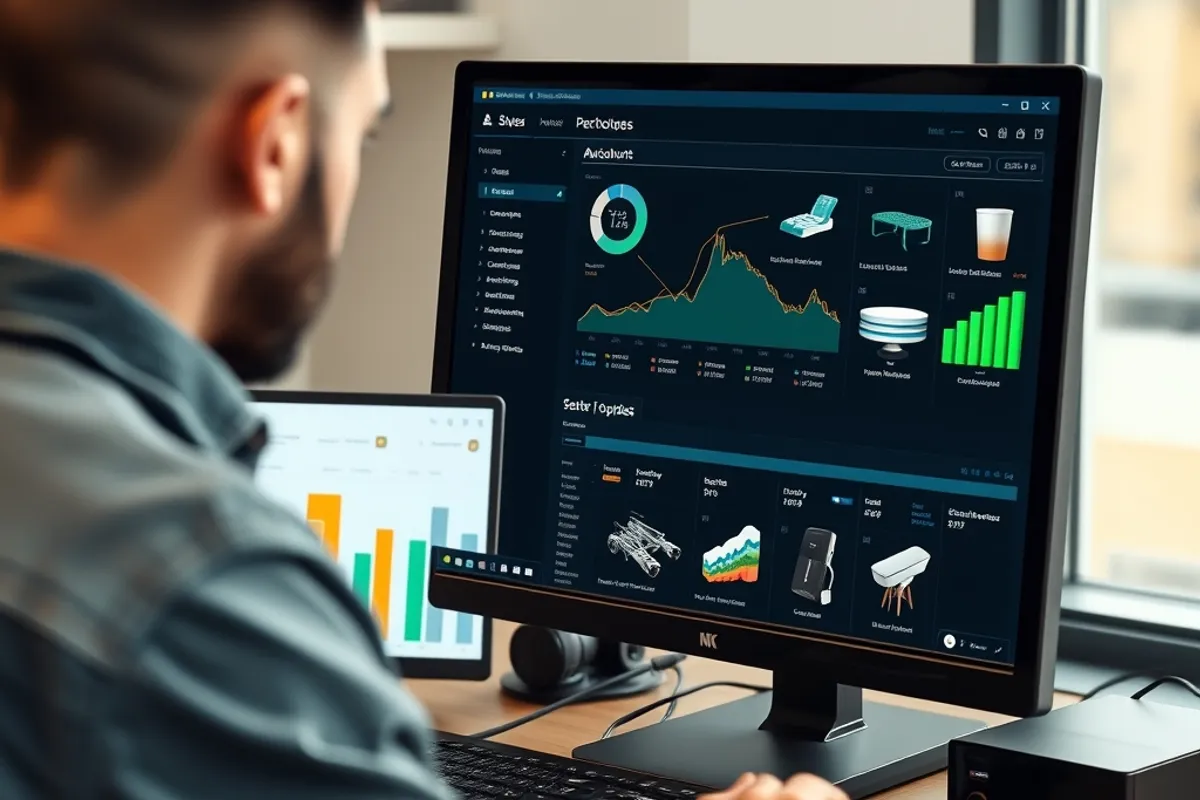
Headless commerce is one of those terms that hides a simple idea behind a complicated name. Instead of one system that renders your product pages and manages orders, you split the two: a commerce backend that stores catalogue, carts and orders, and a front end that displays them however and wherever you like. The front end talks to the back end through an interface, usually a set of APIs.
Key facts
- Headless splits the storefront from the commerce engine so each can change independently.
- It is a development approach, not a product you can buy off a shelf.
- Benefits appear with multiple channels, unusual storefronts or heavy performance needs.
- Costs include front-end development, hosting and ongoing integration maintenance.
- Small stores rarely recover the investment in the first two years.
Why anyone bothers
A traditional platform ties presentation to the commerce engine. That is efficient until you want a storefront the platform does not support well: a content-heavy editorial site, an app, an in-store kiosk or a regional site with very different requirements. Every request becomes a theme hack, and every platform upgrade threatens the hacks.
Headless breaks that dependency. Design changes ship without touching the commerce engine, and a new sales channel reuses the same catalogue and order logic. For a brand with a strong design language and several surfaces to serve, that separation is the whole point.

The performance argument, carefully
Modern front-end frameworks can deliver fast pages because they ship less code and pre-render content. That matters for mobile conversion, where every extra second of load time costs sales. But speed is not automatic: a badly built front end can be slower than a well-tuned theme, and the API calls that fetch product data add their own latency if caching is careless.
Treat performance as an engineering outcome rather than a platform feature. Ask a prospective agency for real measurements from a comparable store, not a demo with three products and no traffic.
What it actually costs
The build is the visible cost: design, front-end development, integration, testing and deployment. The invisible costs are ongoing. Someone must maintain dependencies, monitor the API layer, handle security patches and fix the checkout when a payment provider changes something. A marketing team that could edit a theme alone now needs developer time for small changes.
Headless is not a better shop. It is a better shop only when you have a reason to leave the default one.
Where the model earns its keep
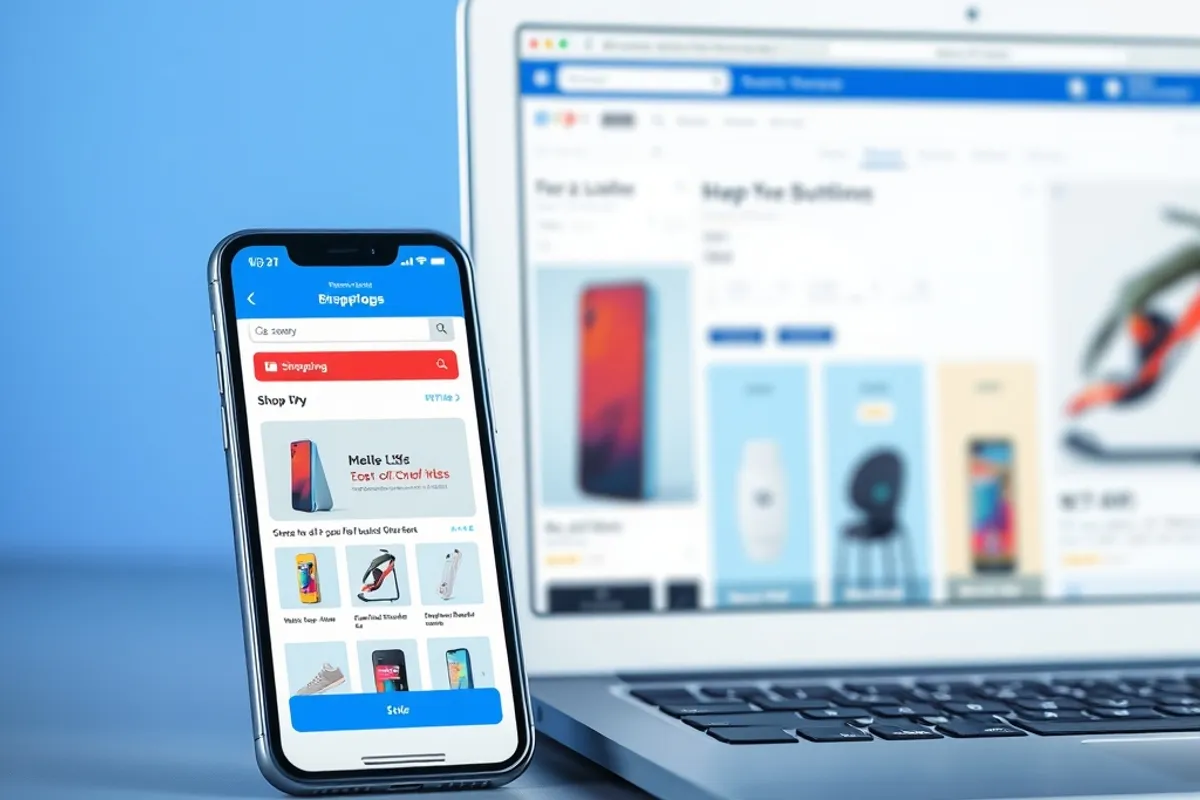
Three situations justify it. First, multiple channels that must stay in sync, such as a web store plus a mobile app plus in-store screens. Second, editorial or brand-led experiences where the shopping journey is custom. Third, very large catalogues or international setups where caching, localisation and pricing rules need engineering rather than configuration.
Conversely, if you sell a few hundred products from one storefront with a standard checkout, a conventional platform gets you there faster and cheaper. The complexity is not a badge of maturity; it is a maintenance obligation.
Commerce as a service versus self-hosted
Most headless builds pair a hosted commerce backend with a custom front end, which keeps order management, payments and inventory in reliable hands. The alternative - assembling open-source services yourself - offers maximum control and maximum operational burden. Unless you employ the people who enjoy that burden, hosted backends are the sane default.
A realistic migration path
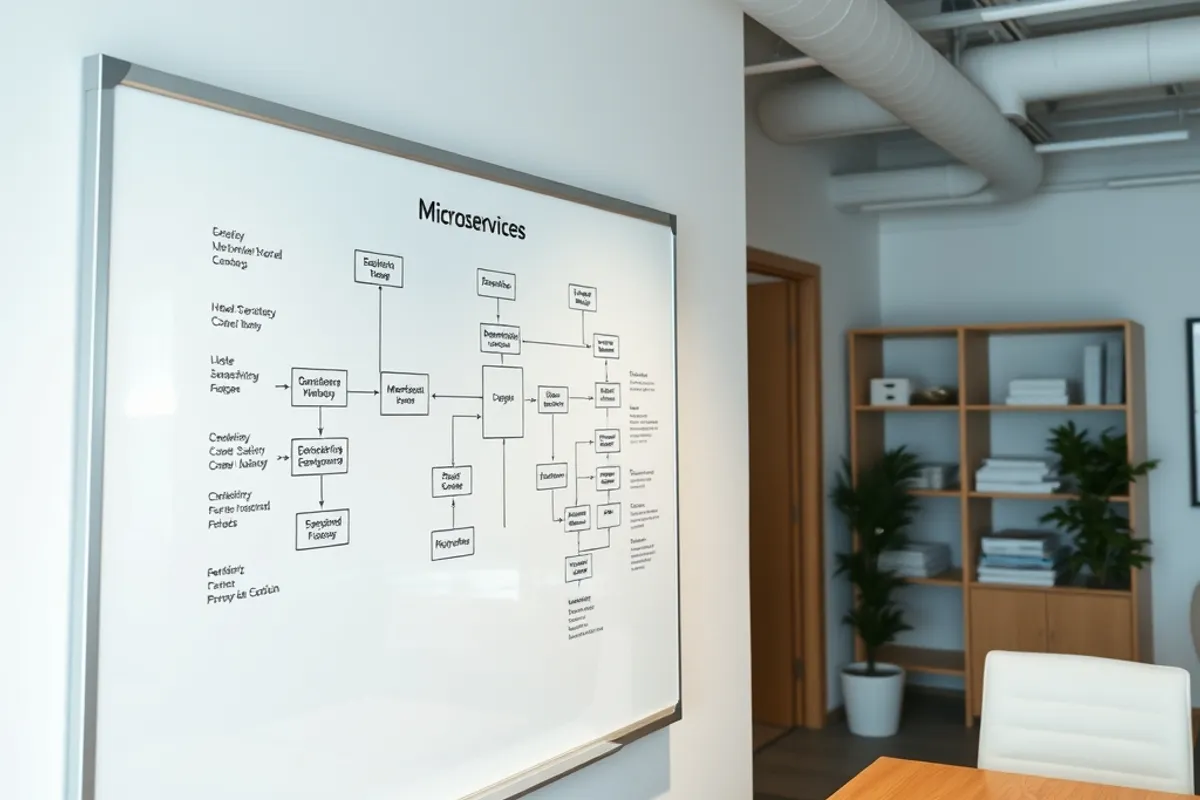
Start with a conventional store and measure the constraints. When a specific limitation costs measurable revenue, consider decoupling the front end for the most important pages first, keeping the platform's own checkout. That staged approach reduces risk, keeps the payment flow proven and gives your team time to learn the new stack.
Document the integration contract, cache aggressively and choose boring, well-maintained tooling. The goal is a storefront that is easy to change without a rebuild, not a showcase of novel architecture. For a comparison of conventional platforms, read our Shopify vs WooCommerce guide, and browse more e-commerce platform articles. Architecture patterns are documented by Martin Fowler.
Frequently asked questions
What does headless commerce actually mean?
It separates the storefront from the commerce engine, so presentation and checkout can change independently and be served on the web, an app or a kiosk from the same data.
Is headless faster than a normal store?
Not automatically. A modern front end can ship less code and pre-render pages, but careless API caching and a badly built front end can be slower than a well-tuned theme.
When does headless pay for itself?
With multiple channels that must stay in sync, a brand-led custom shopping journey, or a very large catalogue with international pricing and caching needs. Small stores rarely recover the cost within two years.
Further reading from independent sources: GSMA mobile intelligence and web.dev performance guidance.