Foldable Phones in 2026: Are They Finally Worth the Money?
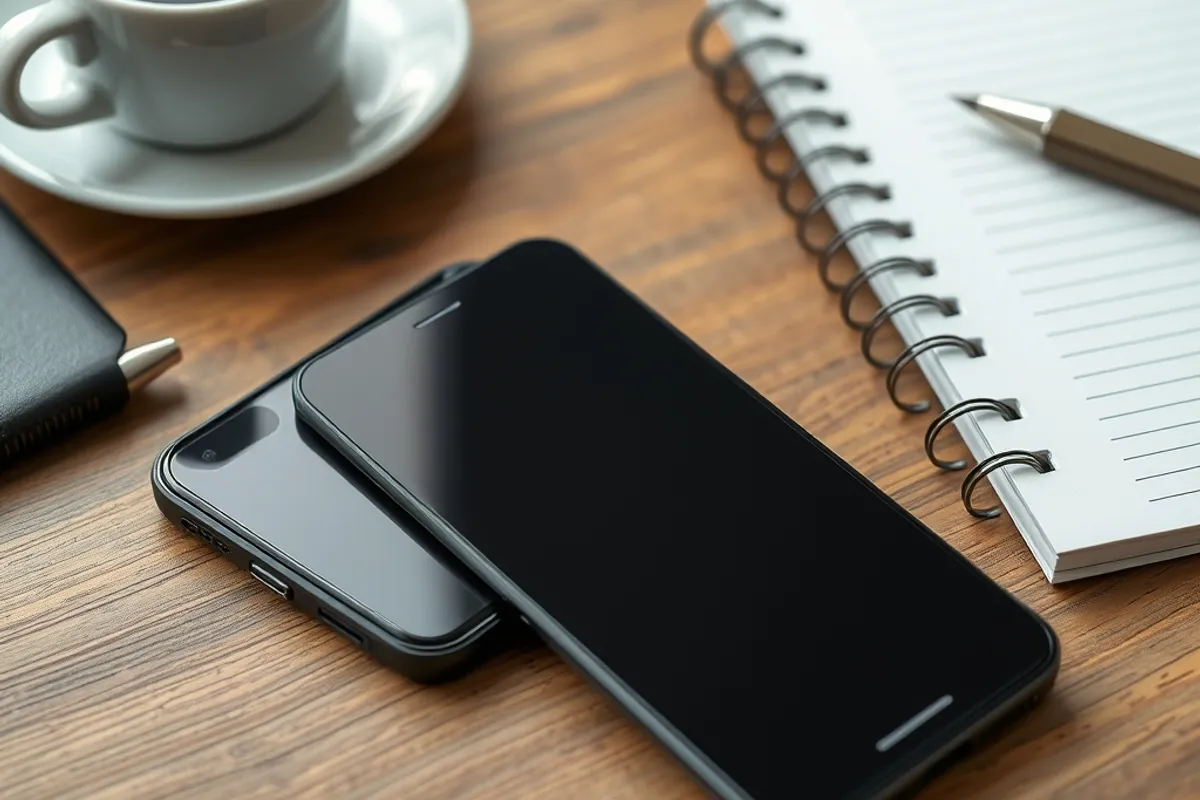
Foldables have spent seven years being the future. In 2026 they are simply a product category with real owners, real repair bills and a much clearer set of trade-offs. The question is no longer whether the technology works. It is whether the specific combination of a bigger screen, a thicker body and a higher price fits the way you use a phone.
Key facts
- Hinge and display durability has improved enough that a three-year lifespan is realistic for careful owners.
- Folding phones remain heavier and thicker than a comparable slab phone.
- Battery capacity is usually smaller than a slab flagship at the same price.
- App layouts on the inner screen are better than in 2023 but still inconsistent.
- Repair costs stay high, so insurance or a case is close to mandatory.
The crease stopped being the story
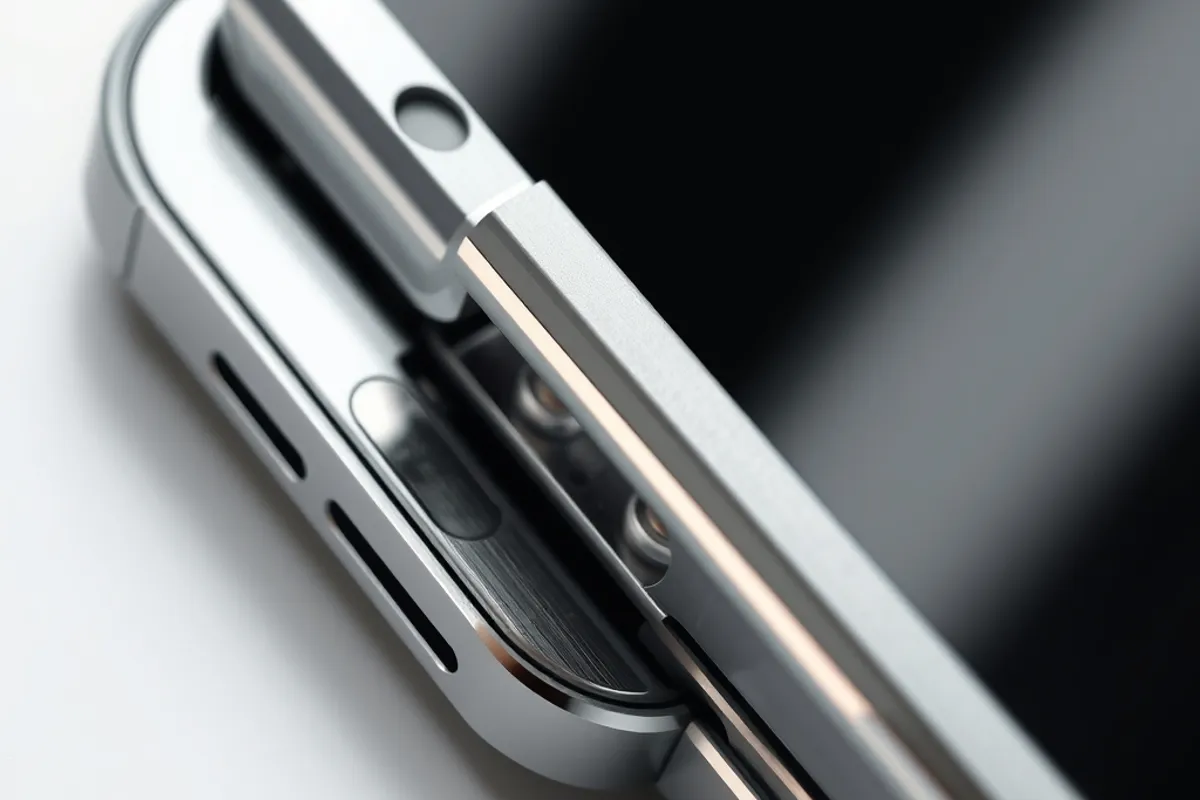
For years the first thing anyone did with a foldable was run a finger across the middle. That test still shows a shallow dip on most models, but it no longer distracts during normal reading. Newer hinge designs spread the fold across a wider radius, and display coatings have become better at hiding the deformation. If you notice the crease at all after a week, it is usually during a bright reflection rather than in use.
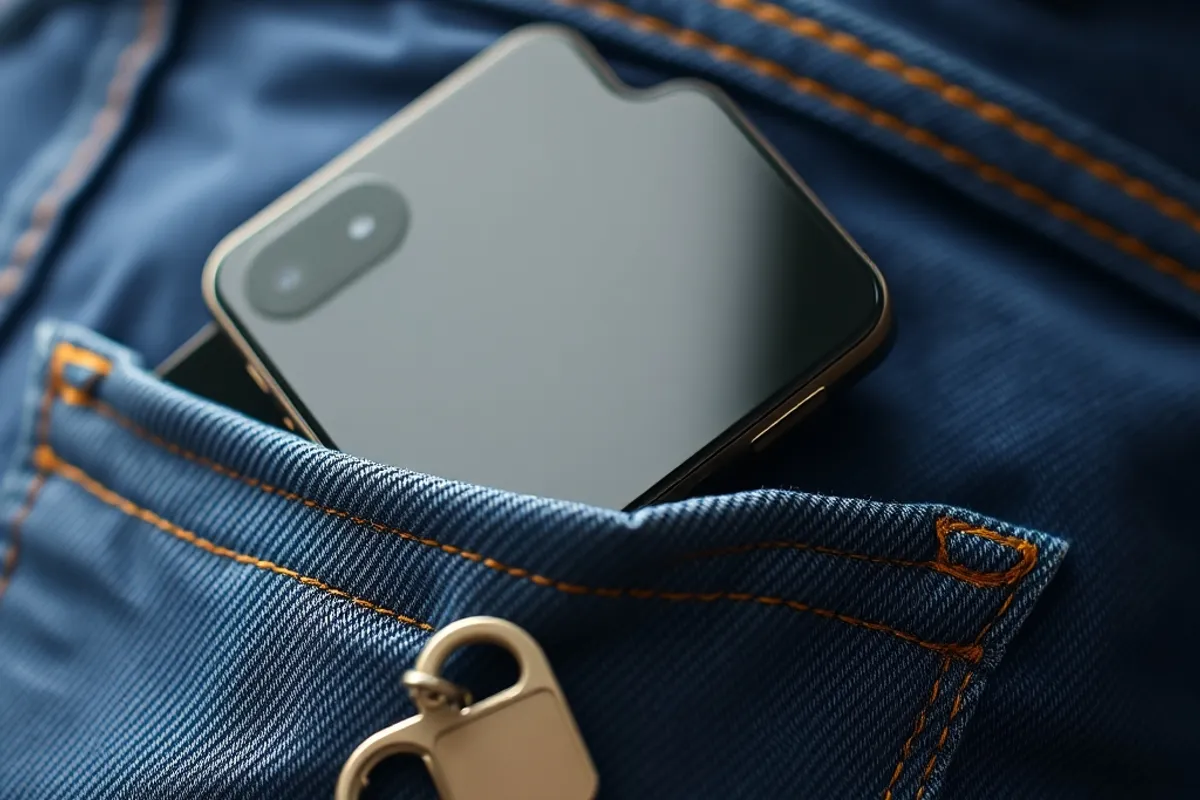
What has not disappeared is the fragility trade-off. A folding display is softer than glass. It tolerates fingernails and daily opening, but grit in the hinge and pressure from keys in the same pocket are still the two most common causes of damage. Cases add bulk to an already thick device, which is the compromise nobody advertises.
What the bigger screen actually gives you
The inner display is genuinely useful for three tasks: reading long documents, splitting two apps side by side, and editing photos or video with room for controls. If your work involves reading contracts, comparing spreadsheets or replying to long email threads on the move, the extra width changes how much you can finish without opening a laptop.
For social media, messaging and short video, a slab phone is faster. The inner screen invites you to do more, and sometimes that is exactly the problem. Apps that have not adapted their layout simply stretch, leaving awkward gaps and controls stranded in corners. Test your three most-used apps on a demo unit in the shop before you commit; it takes two minutes and tells you more than any review.
Battery, weight and the everyday carry problem
A foldable packs two displays and a more complex hinge into a body that must still fit a pocket. Something has to give, usually battery capacity. In practice, a current book-style foldable lasts a full day of moderate use but trails a slab flagship by a couple of hours of heavy screen time, and the inner display is the thirstiest part of the device.
Weight is the other daily tax. Around 230 to 250 grams in a pocket is noticeable, especially in light trousers, and it changes how you carry a phone. If you already dislike large devices, a foldable will not convert you.

Durability in the real world
Manufacturer claims now run to hundreds of thousands of folds, which sounds reassuring until you remember that the number comes from a clean laboratory. Real life includes sand, pocket lint, temperature swings and the occasional drop. The honest expectation is a device that lasts as long as a normal phone if you treat it carefully, and considerably less if you do not.
A foldable rewards careful owners and punishes careless ones more than any other phone category.
Repair economics matter as much as durability. Screen and hinge assemblies are the most expensive parts to replace, often a large fraction of the purchase price. Check the cost of a screen replacement before buying, and read whether your insurance covers accidental damage to the inner display specifically.
The flip format and its different case
Clamshell foldables solve a different problem. They fold into a small square, which makes them easier to pocket and more pleasant to use one-handed. The trade-off is a smaller battery, a narrower outer screen and a camera system that usually trails the best slabs. If pocketability is your main complaint about modern phones, a flip is a reasonable answer.
If you want the big screen for productivity, a book-style device is the only option, and you should budget for the size and weight as part of the decision rather than as a footnote.
Who should buy one in 2026
Two groups get clear value: people who read or work on documents away from a desk, and people who genuinely prioritise a small folded footprint. Everyone else pays a premium for a screen they will open less often than expected. If you are in the market for a normal phone, our remote work laptop guide covers the device that will do more of your heavy lifting, and you can browse more mobile technology guides. Independent durability testing is published by organisations such as AnandTech.
Frequently asked questions
Are foldable phones durable enough now?
Hinge and display coatings improved enough that careful owners can realistically expect a three-year lifespan. Sand, grit and drops still shorten it, so a case and insurance remain sensible.
Is a foldable battery worse than a normal phone?
Usually yes. Two displays and a complex hinge force a smaller cell, so a book-style foldable trails a slab flagship by a few hours of heavy screen time at the same price.
What is the flip format actually good for?
Pocketability. A clamshell folds into a small square that suits one-handed use, at the cost of battery capacity, a narrower outer screen and a weaker camera system.
Further reading from independent sources: GSMA mobile intelligence and web.dev performance guidance.